Accounting Ledger Book 8 Column: A Practical Tool for Tracking Finances
For anyone managing money—whether it’s a small business owner, a freelancer, or a creative professional—the right tools can make all the difference. One such tool is the Accounting Ledger Book 8 Column, a versatile and structured way to track income, expenses, and other financial details. This type of ledger is especially useful for those who prefer a hands-on approach to bookkeeping, offering a clear format that supports detailed record-keeping without overwhelming the user.
What Is an Accounting Ledger Book 8 Column?
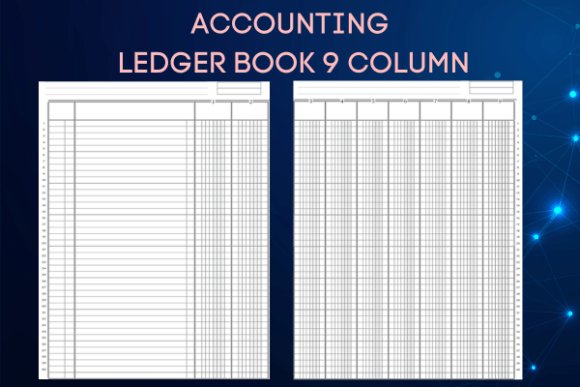
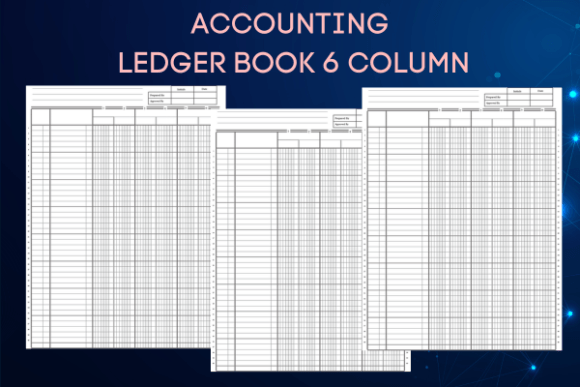
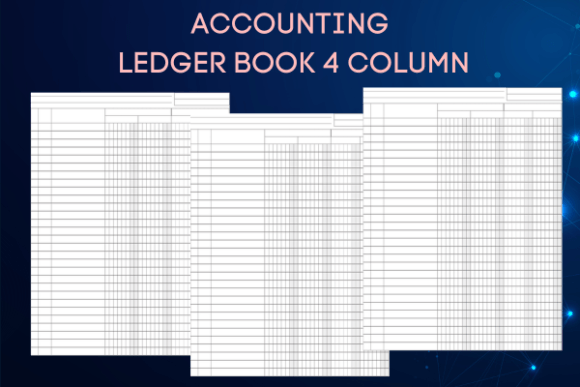
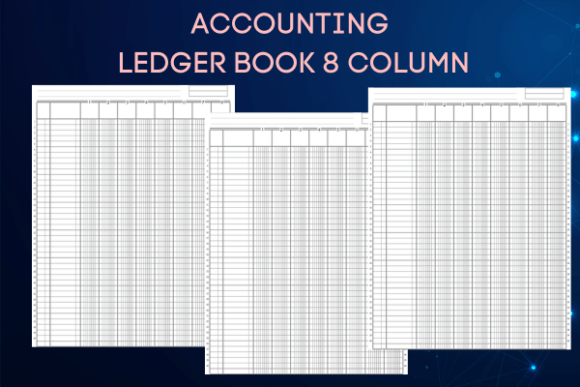
An Accounting Ledger Book 8 Column is a specialized notebook designed for tracking financial transactions in a structured manner. It typically includes eight columns, each serving a specific purpose such as date, description, debit, credit, balance, and more. This layout makes it easy to monitor cash flow, reconcile accounts, and maintain accurate records over time.
The design is ideal for users who want to avoid digital clutter or who prefer a tactile method of recording data. With its 8.5×11 inch size, it’s also convenient to carry around, making it a practical choice for on-the-go bookkeeping.
Where and When People Use an Accounting Ledger Book 8 Column
Many professionals use this type of ledger in their daily routines. For example, a small business owner might use it to track daily sales and expenses, while a freelance graphic designer could use it to log client payments and project costs. The 8-column format allows for detailed entries, which is especially helpful when dealing with multiple income streams or complex transactions.
Another common use case is for personal finance management. Someone who wants to keep track of their monthly budget might use the ledger to log bills, savings, and discretionary spending. The structured layout helps them stay organized and spot patterns in their spending habits.
Real-World Applications Across Different Fields
Entrepreneurs often find the 8-column ledger invaluable for maintaining accurate books, especially during the early stages of a business. By recording every transaction, they can easily prepare for tax season or analyze their profit margins. For instance, a bakery owner might use the ledger to track ingredients purchased, daily sales, and labor costs, ensuring they stay on top of their finances.
Creators and content producers also benefit from using this type of ledger. A YouTuber, for example, might use it to track ad revenue, sponsorships, and production costs. This helps them understand which projects are profitable and where they might need to cut back.
In educational settings, teachers or tutors might use the ledger to manage their own income and expenses, especially if they offer private lessons or online courses. It provides a simple yet effective way to stay organized without needing complex software.
Why the 8-Column Format Matters
The 8-column layout isn’t just about aesthetics—it’s about functionality. Each column serves a distinct purpose, allowing users to capture all necessary details in one place. This structure reduces the chances of errors and makes it easier to cross-reference information later.
For example, the first column might be for dates, the second for descriptions, and the third for debits. The fourth and fifth columns could track credits and balances, while the remaining columns might be used for notes, account numbers, or references. This level of detail is particularly useful for businesses that handle multiple accounts or need to track specific financial activities.
Considerations Before Using an Accounting Ledger Book 8 Column
Before jumping into using an 8-column ledger, it’s important to think about your specific needs. Are you tracking personal finances, business expenses, or something else? Understanding your goals will help you decide whether this tool is the right fit for you.
Also, consider how much time you’re willing to spend on manual entry. While the ledger offers a hands-on approach, it does require regular updates. If you prefer automation, you might want to pair it with accounting software for a hybrid solution.
Another factor is the format. The Accounting Ledger Book 8 Column comes in PDF and InDesign files, which means it can be printed or customized as needed. This flexibility is great for users who want to adjust the layout or add their branding for commercial use.
How to Get the Most Out of Your Ledger
To make the most of your Accounting Ledger Book 8 Column, start by setting up a consistent routine. Whether it’s daily, weekly, or monthly, regular updates ensure accuracy and prevent last-minute scrambling.
Use clear and concise descriptions for each entry. This not only helps you remember what each transaction represents but also makes it easier to review later. For example, instead of writing “paid for supplies,” you might write “purchased printer ink for client project.”
Finally, don’t forget to review your entries regularly. This helps identify any discrepancies, track trends, and make informed decisions about your financial health. Over time, you’ll develop a better understanding of your spending and earning patterns.
Who Can Benefit from an Accounting Ledger Book 8 Column?
This tool is ideal for a wide range of users. Small business owners looking for a low-cost alternative to accounting software can benefit from the simplicity and control it offers. Freelancers and independent contractors may find it useful for tracking invoices and expenses without relying on digital platforms.
Even everyday users can find value in this ledger. A parent managing household finances, for instance, might use it to track grocery bills, utility payments, and other recurring expenses. The structured format makes it easy to see where money is going and where adjustments might be needed.
For those who work in creative fields, such as writers, artists, or musicians, the ledger can help track royalties, commissions, and other income sources. It’s a practical way to stay on top of earnings and expenses without getting bogged down in complicated systems.
Final Thoughts
The Accounting Ledger Book 8 Column is more than just a notebook—it’s a powerful tool for managing money effectively. Whether you’re running a business, creating content, or simply trying to stay organized, this ledger offers a straightforward and reliable way to track your financial activity.
By choosing the right format, setting up a consistent routine, and using the columns wisely, you can turn this simple tool into a valuable part of your financial strategy. With its flexibility, clarity, and practical design, it’s no wonder so many people rely on it for day-to-day bookkeeping.